The short answer
The Kama Sutra is an ancient Sanskrit text on desire and pleasure, credited to the scholar Vatsyayana and probably written between the 2nd and 4th centuries CE. Only one of its seven parts covers sex itself, including kissing, touching, biting and positions. The rest is about attraction, courtship, relationships and keeping desire alive.
01What is the Kama Sutra?
Kama means desire, love or pleasure, and sutra means a thread, a short teaching strung together with others. So the Kama Sutra is roughly a guide to pleasure. It was written in Sanskrit, probably between the 2nd and 4th centuries CE, and is credited to a scholar called Vatsyayana Mallanaga. We know almost nothing about him, except that he said he gathered older teachings into one book. In ancient Indian thought, a good life had three aims: dharma, meaning duty and virtue, artha, meaning wealth and success, and kama, meaning pleasure. The book treats pleasure as a proper subject worth studying, not something shameful. That idea alone feels refreshingly modern.
It's written for educated city dwellers, and it reads less like a sex manual and more like a lifestyle guide. Vatsyayana tells his readers how to decorate a bedroom, which arts to learn, how to flirt at parties and how to keep a lover happy. He also describes the ideal bedroom: soft bedding, flowers, perfumes, a lute on the wall, books, and snacks for afterwards. It's basically ancient advice to set the mood. Fresh sheets, candles and a good playlist are the modern version, and they still work.
02What is in the Kama Sutra book?
The Kama Sutra book is divided into seven parts and 36 chapters. Only the second part, on sexual union, deals with what most people expect. The others are about life, love and relationships in a wider sense. Here's the rough layout:
- Part one: general ideas about pleasure, the three aims of life and how to live well.
- Part two: sex itself, including embracing, kissing, scratching, biting, positions and oral sex.
- Parts three and four: courtship, choosing a partner and married life.
- Parts five and six: affairs, seduction and the lives of courtesans.
- Part seven: attraction, charms and aphrodisiac recipes.
The sex section famously breaks lovemaking into 64 arts, eight topics with eight variations each. That number was clearly a source of pride.
03What are the real Kama Sutra positions?
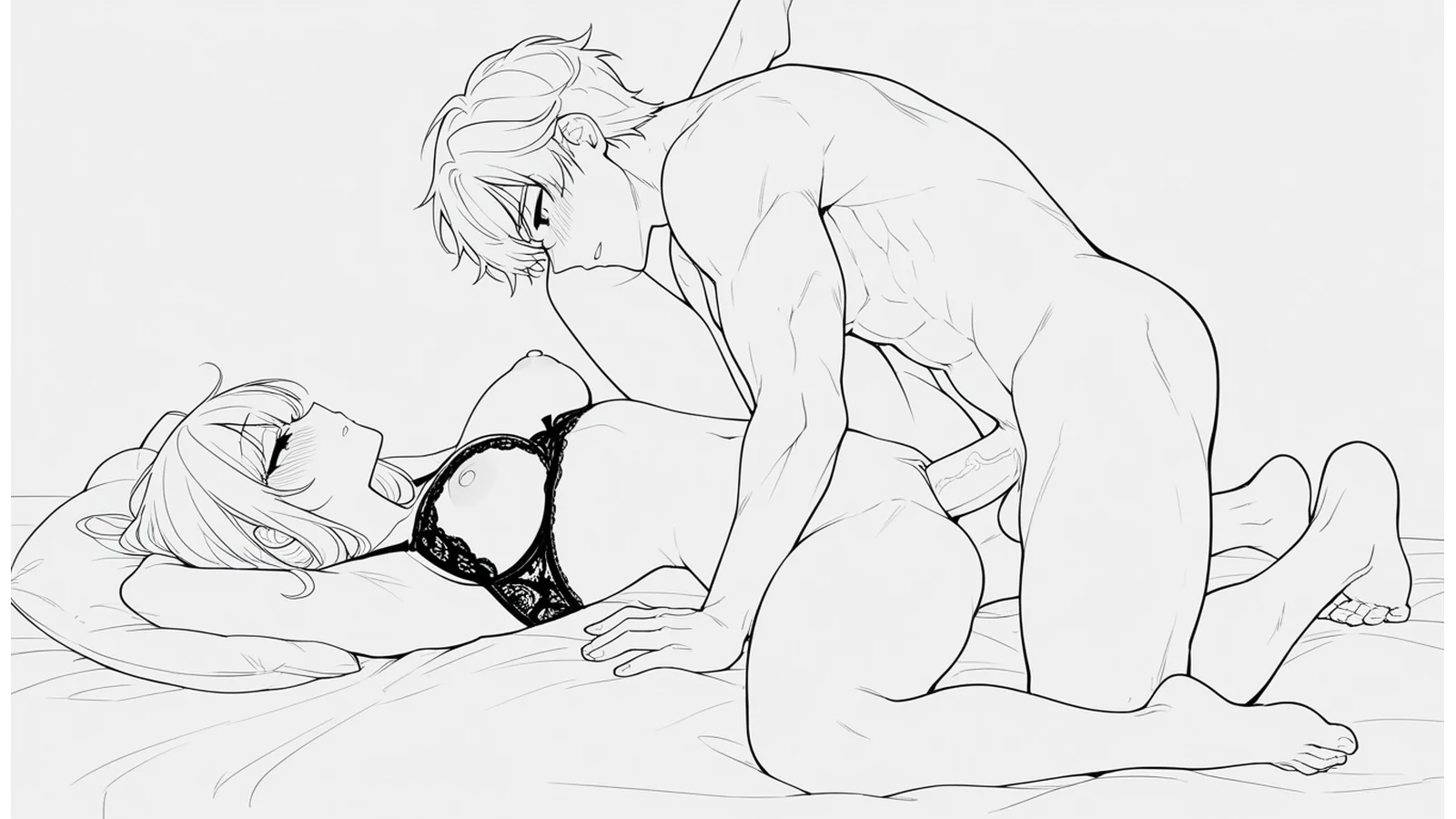
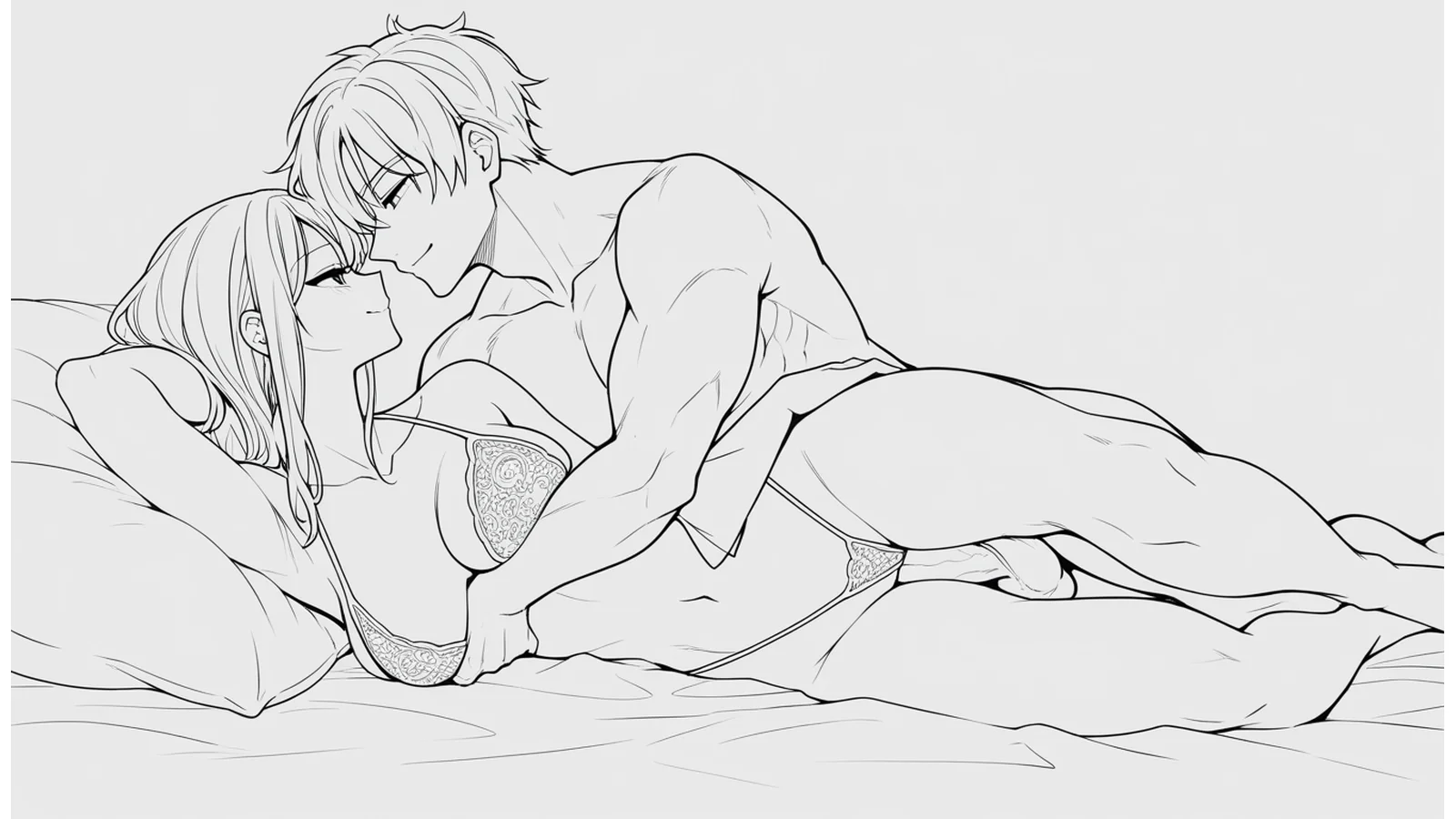
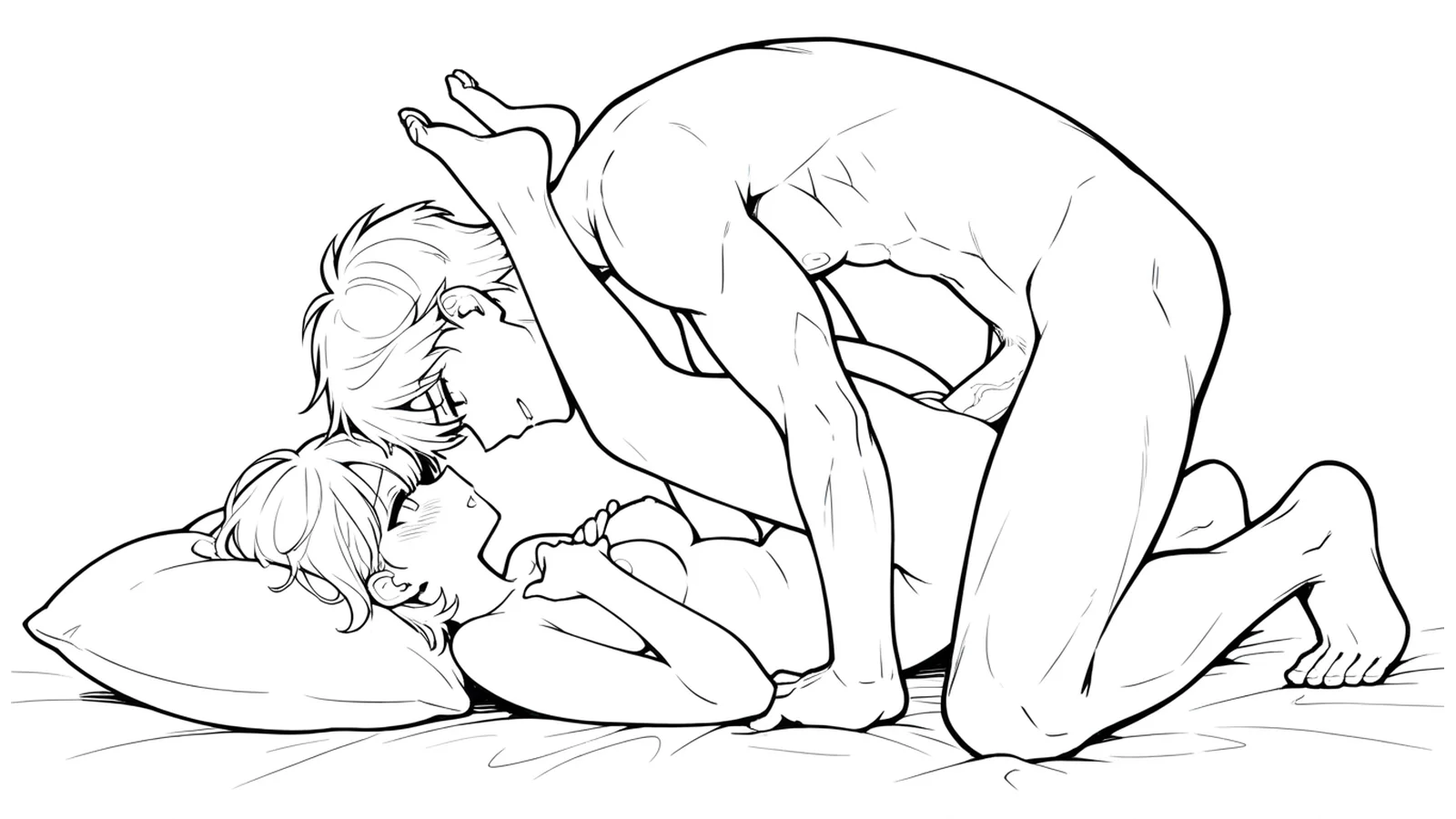
The original Kama Sutra positions are fewer and simpler than modern books suggest. Many are variations on lying face to face, with names like the yawning position, where the woman opens her thighs wide, and the position of Indrani, named after the queen of the gods, where her knees draw up towards her chest.
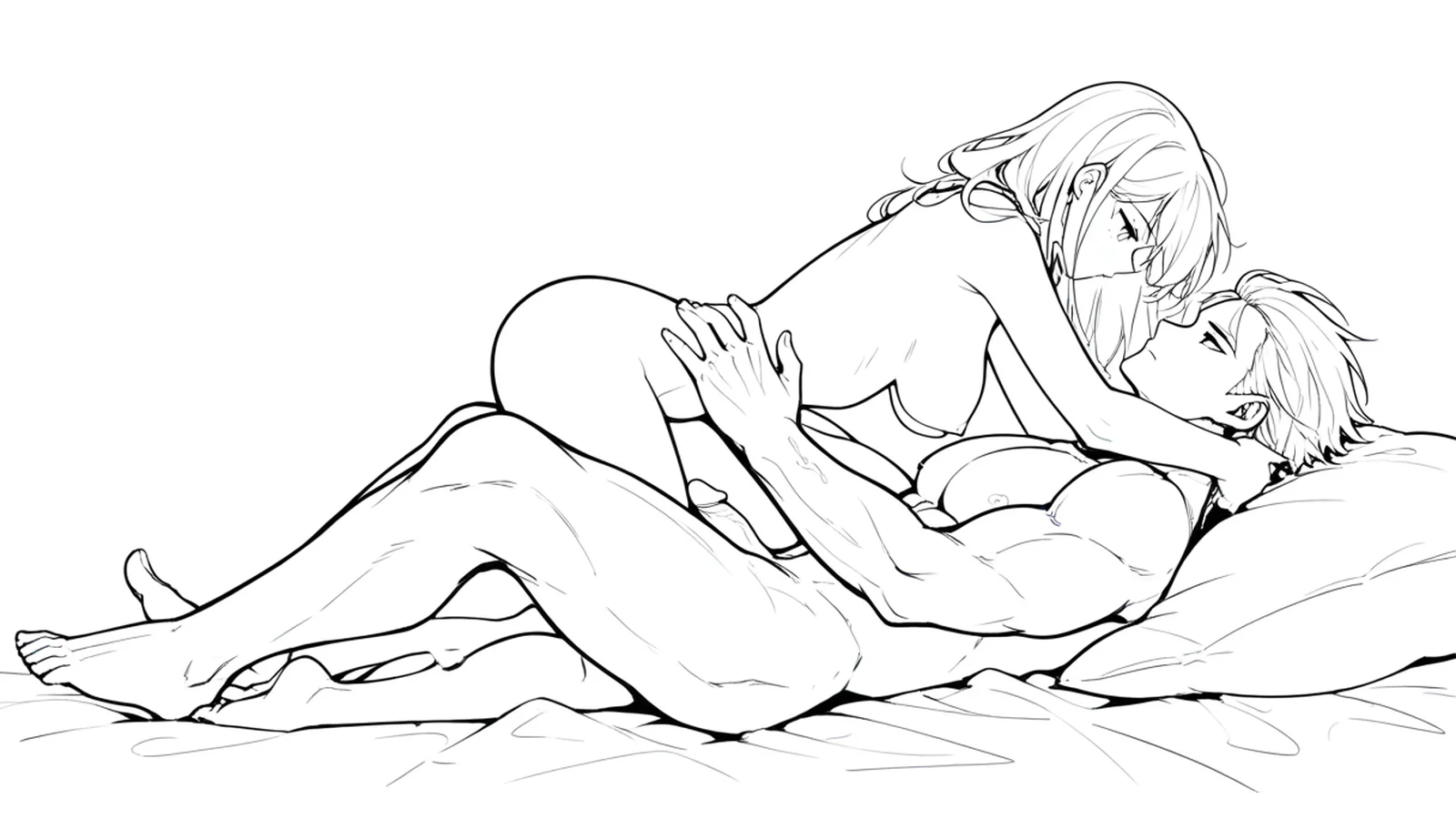
There's the clasping position, where lovers lie with legs straight and pressed together, and the twining position, where one partner wraps a leg round the other like a vine. The mare's position describes gripping the penis by squeezing the vaginal muscles, which sounds very like pelvic floor play. Vatsyayana also describes sex standing against a wall, called supported congress, and sex from behind. Most famously, he encourages women to take the top role and act the man's part when their partner is tired or simply because she wants to. Ancient permission to ride your partner. We'll take it.
He also talks about varying speed, depth and rhythm, and about moving the hips in different ways during sex, including churning and pressing motions. It's a reminder that how you move often matters more than which position you're in. Slow circles and deep grinds can transform even the most familiar position.
04What does it say about foreplay and kissing?
This is where the book gets properly sexy. Vatsyayana spends ages on the warm-up. He lists types of embrace, from a light brush of bodies to the twining of a creeper, where one lover clings to the other, and the mix of milk and water, where bodies press together so tightly they seem to merge.
Kissing gets its own chapter, with advice on kissing the forehead, eyes, cheeks, throat, chest and mouth. There are playful kissing contests and kisses meant to wake a sleeping partner. He also describes scratching and biting, leaving marks as a sign of passion, and even moaning and playful slapping during sex. The message is clear: rush straight to penetration and you've missed most of the fun. Nearly two thousand years later, that's still excellent advice.
05Does the book care about women's pleasure?
Yes, and that surprises many readers. Vatsyayana insists a lover should pay attention to his partner's pleasure and notice what she enjoys. He says women feel desire just as men do, and that a man who ignores his partner's satisfaction will lose her affection. He describes reading her body for signs that she's turned on. That doesn't make it a feminist text. It was written for men in a society with very unequal rules, and parts of it are uncomfortable, including advice on seduction that ignores consent in ways we'd reject today. Read it as history, not a rulebook.
Still, the core idea that sex should be good for both people, and that a skilled lover learns what their partner likes, stands up well. Ask, watch, listen, and adjust. That's ancient wisdom worth keeping. He even notes that tastes differ from person to person and place to place, and that a good lover adapts rather than assuming. That's a surprisingly modern nod to communication, even if the rest of the text falls short.
06How old are these ancient sex positions?
Vatsyayana's book is one of the oldest surviving sex guides, but it's far from the only collection of ancient sex positions. Vatsyayana himself says he drew on earlier writers. Ancient Chinese texts on the art of the bedchamber describe positions with poetic names, and Roman poets such as Ovid wrote cheeky advice on which positions suited which bodies. Later Indian works continued the tradition. The Ananga Ranga, written in the 15th or 16th century, is more focused on married couples and contains many more positions. Arabic erotic literature, such as The Perfumed Garden, has its own long lists of positions and tips for pleasing a partner.
People have always been curious, playful and keen to try new things in bed. The names change, but the basic shapes bodies make together are remarkably similar across centuries and cultures. Try giving your own favourite position a poetic name. It sounds silly, but private jokes and pet names for things you do together can make sex feel more playful and intimate.
07Why does everyone think it's just a positions book?
Blame Victorian England, partly. The first famous English version was published in 1883 by Sir Richard Burton and Forster Fitzgerald Arbuthnot, printed privately through their Kama Shastra Society to avoid obscenity laws. It became a forbidden bestseller, passed round in secret, and its reputation as a naughty sex book stuck. In the 20th century, publishers cashed in with illustrated Kama Sutra books packed with acrobatic positions, many invented for the market. Magazine sex tips added more. Today, the name is often used for any list of creative positions, even ones Vatsyayana never described.
If you want the real thing, look for a modern scholarly translation, such as the one by Wendy Doniger and Sudhir Kakar. It's readable, funny in places and very different from the coffee table versions. Burton's version also softened, reworded or misread things in places, and it presents the book through a Victorian lens. Modern translators have restored much of the original humour and frankness, including the passages on women's desire.
08How do you try the Kama Sutra for beginners?
Kama Sutra for beginners doesn't mean twisting yourself into a pretzel. Start with the spirit of the text: slow down, make the warm-up an event and pay attention to each other. Here are a few ideas inspired by the original to try tonight:
- Kissing contest: take turns kissing different parts of each other's body, and the first to give in loses.
- The creeper embrace: wrap your whole body round your partner while you kiss, standing or lying down.
- The twining position: during missionary or side by side, hook a leg around your partner and pull them closer.
- Swap roles: let the usual bottom go on top and set the pace.
- Pelvic squeeze: tighten your pelvic floor muscles around your partner during sex, the original mare's position.
Pick one or two, laugh at the ones that don't work and keep the ones that do. Above all, borrow the attitude. Treat sex as something worth learning, take your time and stay curious about your partner. That's the real secret of the Kama Sutra, and it costs nothing.
09Should you try the old aphrodisiac recipes?
The last part of the book includes recipes meant to boost desire, attract lovers and improve stamina, using ingredients such as milk, honey, sugar, ghee and various plants. Some are harmless food, and some involve substances no one should eat. None have been tested in a modern sense. Enjoy them as a fascinating glimpse of history, not as a shopping list. If you want something that genuinely gets you in the mood, the rest of the book already has the answer: time, touch, attention and a bit of playful seduction.
If low desire or erection problems are bothering you, talk to a GP. Modern medicine has safe, tested options that ancient recipes can't match. Some ingredients mentioned in old love manuals, such as certain plants and minerals, can be toxic. Leave the historical recipes on the page and enjoy a good meal, a glass of something nice and an early night instead.
10What are the 64 arts?
Vatsyayana believed a great lover should be a well-rounded, interesting person, so part one lists 64 arts worth learning. They include singing, dancing, playing music, painting, making perfume, arranging flowers, cooking, preparing drinks, word games, magic tricks and even teaching parrots to talk. Being sexy, in his view, meant being fun to spend time with.
Separately, the section on sex has its own set of 64, made up of eight topics, such as embracing, kissing, scratching, biting and positions, each with eight variations. The number was a nod to the idea that pleasure is a skill with depth, something you practise and refine rather than simply do. The modern takeaway is lovely. Being curious, playful and good company is part of being good in bed. Cooking your partner a great dinner or giving them a proper massage counts as seduction too.
11Safety note
Before you try anything
Many modern Kama Sutra books invent positions that aren't in the original, and some are hard on joints and backs. Try what feels good, skip what hurts, and don't try any of the old herbal recipes, as untested ingredients can be harmful.
12Questions people ask
It's an ancient Indian guide to pleasure and the good life. It covers attraction, courtship, relationships and sex, with only one of its seven parts focused on sexual technique.
It's credited to Vatsyayana Mallanaga, a scholar who probably lived in northern India between the 2nd and 4th centuries CE. He said he compiled older teachings.
The original describes only a few dozen positions and variations, far fewer than modern illustrated books suggest. Many popular Kama Sutra positions were invented much later.
Not exactly. It's a practical guide written within Hindu ideas about the aims of life, treating pleasure as one of three goals alongside duty and wealth.
The 2002 translation by Wendy Doniger and Sudhir Kakar is widely recommended for accuracy and readability. The 1883 Burton version is famous but less faithful.
The twining position is a good start. During face to face sex, one partner wraps a leg round the other to pull them closer, with no flexibility needed.
Yes, it describes oral sex in detail in the section on sexual union. It discusses it frankly, as part of the range of things lovers might enjoy.